
 By
By 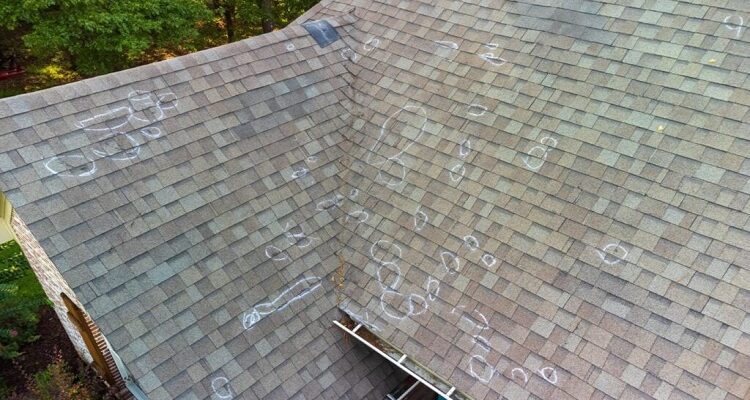
When hailstorms happen quickly and strongly, people worry about the state of their roofs. One of the most important parts of a house’s structure is its roof, which keeps you safe from the weather. Roofs can get a lot of damage from hail, and the damage might not always be clear at first glance. If you can spot the hail damage signs for roofs, you can avoid expensive fixes and make sure the roof lasts as long as possible. This piece will talk about important things homeowners should know to find hail damage on their roofs.
1. Look for Dents and Dings on the Roof Surface
One of the first and most obvious signs of hail damage on a roof is the appearance of dents or dings. These are typically caused by the impact of hailstones, which can be as large as golf balls or even baseballs in severe storms. The dents may be visible on materials like metal roofing, shingles, or tiles. Check the areas that are most exposed to hail, such as the roof’s slope or ridge, as these are often the first to take the brunt of the impact.
Tip:
To spot these dents clearly, use binoculars from the ground. This method allows you to get a closer look without needing to climb onto the roof, which can be dangerous.
2. Inspect Shingles for Granule Loss
Hail damage can often result in the loss of granules on asphalt shingles. The granules are the protective outer layer of shingles, and when they are knocked off, the shingles become more susceptible to further damage, such as UV degradation or leaks. If you notice patches of missing granules or small piles of granules around your yard, it could be a sign of hail damage.
Tip:
Check gutters and downspouts for granules. If you find a significant amount of granules, it may be time to assess your shingles for deeper damage.
3. Check for Cracked or Split Shingles
Hailstones, especially large ones, can cause shingles to crack or split. Look for any shingles that are cracked, split, or have a distinct indentation in the middle. These splits can compromise the roofing material’s integrity, leading to leaks and further deterioration over time. Once you spot cracked shingles, it’s important to address them promptly to avoid long-term damage.
Tip:
If you notice any cracked shingles, contact a roofing professional to evaluate whether they need to be replaced or repaired.
4. Examine Flashings and Venting
Flashings are used to seal the areas around chimneys, vents, and other roof penetrations. Hail can cause flashings to loosen, crack, or dislodge, which can lead to water infiltration. Similarly, vent covers can also be damaged by hail, which can create weak spots in your roof’s defense against the elements.
Tip:
Look for any misaligned, bent, or damaged flashings, as well as cracked vent covers. These areas are often more vulnerable during a hailstorm and should be inspected thoroughly.
5. Evaluate the Roof’s Age and Condition
How well your roof protects against hail damage depends a lot on how old it is and how good its condition. Older roofs with worn-out shingles, worn flashing, or weakened materials are more prone to hail damage than newer roofs with stronger materials. If your roof is nearing the end of its expected lifespan, it’s especially important to inspect it after a hailstorm to assess any damage.
Tip:
If your roof is more than 10 years old, especially after a thunderstorm, you might want to have a professional look it over. This can help catch any subtle damage that may not be visible to the untrained eye.
6. Seek Professional Help for a Detailed Inspection
People can look at their roofs visually, but it’s always best to get help from a professional when figuring out how bad hail damage is. Roofing professionals are trained to find storm damage that might not be obvious at first glance. They can do a full check and help you figure out how bad the damage is. Most of the time, they can also help you file an insurance claim if you need it.
Tip:
Hire a certified roofer to conduct an in-depth inspection after a significant hailstorm, especially if you’re unsure about the severity of the damage.
Conclusion
Hail damage signs for roofs can vary in severity, from minor granule loss to major cracks and dents. As a homeowner, it’s important to keep an eye out for these common signs to prevent long-term damage and ensure your roof remains in good condition. Whether you’re inspecting your roof yourself or enlisting a professional, timely detection and repair are key to maintaining the structural integrity of your home. If you suspect hail damage, don’t wait—address it as soon as possible to avoid costly repairs down the road.








Comments